Finishing school is exciting and a little frightening. Suddenly three big questions arrive at once: what to study or train for, how to find work and where to live. Each decision affects the others, and many young people feel pressure to solve everything immediately. A clear plan, built step by step, makes the transition far calmer.
Start with who you are
Before choosing a path, spend time understanding your interests, strengths and values. What subjects do you enjoy? What tasks make time pass quickly? Do you prefer working with people, ideas, numbers or tools? Honest answers point toward careers that will feel meaningful.
Talk with teachers, counselors and family, but remember that the decision is yours. Other people's expectations can help or distract.
The best choice is usually the one you can explain in your own words and adjust later.
Explore your education options
There are many routes after school. University degrees, vocational training, apprenticeships, short courses and gap years all lead to good outcomes in the right situation. Compare entry requirements, length, cost and the kinds of jobs each path opens.
Attend open days, speak with current students and read course descriptions carefully. A program with a strong link to employers can make the step to your first job much easier.
Think about money early
Education and living away from home cost money. Make a simple budget that includes tuition, rent, food, transport, books and a small reserve. Look into scholarships, grants, student loans and part time work.
Read loan terms carefully and borrow only what you need. Early habits, such as tracking spending and saving a little each month, will help for years.
Finding your first job
A first job teaches skills that classrooms cannot, from teamwork to time management. Start by writing a clear, honest CV that lists education, projects, volunteering and any work experience, however small.
Search through school job boards, local employers, online platforms and personal contacts. Many opportunities come through people you already know, so let friends and relatives know what you are seeking.
Preparing for interviews
Research the company, practice answers to common questions and prepare a few of your own. Dress appropriately, arrive early and listen carefully. Employers hiring young people usually value attitude, curiosity and reliability as much as experience.
If you do not get an offer, ask for feedback. Every interview is practice for the next.
Choosing where to live
Housing can make or break the early years. Options include living with family, student residences, shared flats and renting alone. Consider the cost, distance to your school or job, transport links, safety and the people you will live with.
Read any rental contract carefully. Check the length, deposit, notice period, what is included in the rent and who is responsible for repairs. Never pay a deposit before you have seen the property and confirmed the landlord is genuine.
Studying or working abroad
Many young people choose to study or work in another country. It can be a life changing experience, but it also adds practical tasks. You may need visas, health insurance, proof of finances and recognition of your qualifications.
The European Union's Your Europe portal explains rights and procedures for studying, working and living in other EU countries, and it is a helpful place to begin.
Young people weighing a move abroad often focus on the destination and forget the preparation the move requires. Choosing a program, arranging housing, and gathering documents all take time, and each step affects the others. Reading about the real benefits of study abroad can help school leavers judge whether an international experience is worth the extra planning. With that perspective, they can approach the decision calmly instead of rushing into it under pressure.
Handling documents in other languages
Universities and employers abroad often ask for school certificates, transcripts, birth certificates and references in their own language. They may require an official translation that proves the content is accurate.
Using certified document translation services saves time and prevents rejections caused by errors or missing stamps. Start early, since applications often have strict deadlines.
Diplomas and grade reports have their own conventions. This guide to diploma and transcript translation explains what institutions expect.
Building a support network
Moving into adulthood is easier with people around you. Keep in touch with friends, join clubs or societies, and find mentors who can offer advice. If you feel overwhelmed, speak to a counselor or trusted adult. Asking for help is a sign of maturity.
Look after your health, too. Regular sleep, exercise and time for friends make it easier to handle pressure.
Making the most of school resources
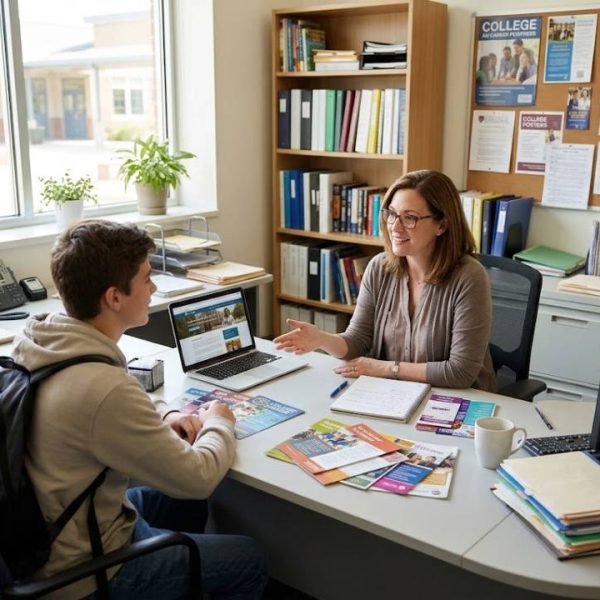
Your school likely offers more help than you realize, including career days, guidance sessions, alumni contacts and workshops on applications. Ask your counselor which services exist, and book a meeting well before deadlines. Small steps taken early reduce stress later.
Keeping options open
Few people follow a straight line. Many change courses, switch careers or take breaks, and still build satisfying lives. Choose a direction that feels right now, learn from it and be ready to adapt.
Build transferable skills such as communication, problem solving, digital literacy and languages. They will serve you in almost any path.
A simple checklist
List your options, set a budget, gather your documents, contact two people who work in fields you like and set a date for each decision. Review the plan every few months.
A calm plan for education, work and housing turns a stressful transition into a series of manageable steps.