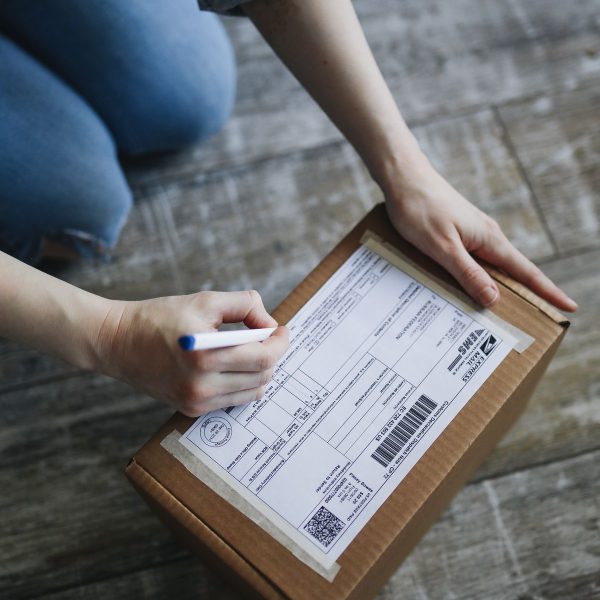
A young teacher accepts a job in a new country. The school sends a contract and asks for her degree and her references and proof of income. She also needs a flat. The landlord wants three months of bank statements and a letter from her employer. All of her papers are in her home language. She has two weeks before the start date. Every day spent on the wrong kind of translation is a day lost on her real work of preparing lessons. Each office asks for a translation that it will accept and none of them agrees on what that means.
Moving for work or study depends on paperwork more than most people expect. Schools and landlords and banks and public offices all ask for documents that prove who you are and what you have done. A single missing stamp or a loose translation can stop an application for weeks. People who plan ahead save money and avoid stress. The first step is always to learn what each office really asks for.
The same problem touches people who stay in one place but deal with services in another language. A family may need to prove income to claim a benefit. A graduate may need to show a diploma to a new employer. A tenant may need to explain a work contract to an agent who reads only one language. In each case clear and correct translation opens the door. It also protects people from decisions made on a misread letter.
Many people try free tools first. This can work for a quick look at a letter. It does not work for papers that officials must trust. A figure that moves by one digit or a date written in the wrong order can lead to a rejection and to lost time. Landlords and employers rarely have the patience to check a doubtful file twice.
This article explains how to prepare documents for work and housing abroad. It covers the papers that matter most and the questions to ask before ordering a translation and the habits that keep a file organised. The advice suits students and workers and families alike.
Know What Each Office Accepts
Start by asking each organisation which translation it will accept. Some want a plain version and some require a signed statement from the translator. For money papers a landlord or a bank may ask for certified bank statement translation so that every figure can be trusted. A certified version includes a statement that the text is complete and accurate and it is signed by the translation company.
Write down the requirements before you order. Note the language pair and the deadline and the number of copies. Ask whether the office needs a paper copy or a digital file. Keep the answers in one place such as a simple table or a shared note. When an office changes its rules you can then update your plan without starting again.
Papers for Jobs and Study
Employment document translation covers contracts and reference letters and payslips and tax forms. Each one has its own style and its own risks. A payslip contains many abbreviations that differ by country. A reference letter should keep the warm tone of the original. Ask the translator to explain any term that has no direct match so that the reader is not misled. A short note at the bottom of the page can prevent a long exchange of emails later.
Education papers need equal care. Diplomas and transcripts list course names and grades that may have no exact equivalent abroad. A good translator keeps the original names and adds a short note where needed. Many universities and employers also want a copy of the original beside the translation. Keep both together in the same folder and name the files clearly. Some institutions also check that the names and dates on the translation match the original exactly so read both before you submit.
Trusted Help and Guidance
Good information makes the process easier. Our guide on birth certificate translation shows how a family document is prepared for an official request. For clear advice on rights when renting a home the charity Shelter offers guides that many tenants find useful.
Advice services also help with money and work questions. Citizens Advice explains how to deal with benefits and contracts and housing problems. Use these sources to learn which documents you are likely to need and which rights you have if an office asks for too much. Then ask your translator to check that the key terms match the words used by the office that will read the file.
Organise Your Documents
Create a folder with sub folders for work and housing and study and identity. Scan every paper in good light and save it as a clear file. Give each file a name that includes the type and the date. This makes it easy to send the right document when an office asks for it.
Plan for delays. Offices rarely answer as fast as you hope. Order translations early and allow time for questions. If you can order several documents together you may save money and keep the style consistent across the set. A single translator will also use the same spelling of your name and address in every file.
Keep the originals safe and send copies unless an office clearly asks for the original. Make a list of every document you have sent and the date of each submission. A short log helps if a file goes missing. People who stay organised settle into a new country faster and with less worry. A little order at the start pays back every month after.